
Quick answer
Danube River cruise tips center on three priorities: selecting a mid-ship cabin on the second deck for stability and convenience, packing layers for temperature swings between alpine and lowland segments, and arriving at your embarkation port one day early to account for Central European rail and flight schedules. Most operators require passport validity extending six months beyond disembarkation. Shore excursions book quickly during high season, so reserving guided tours at booking rather than onboard improves selection.
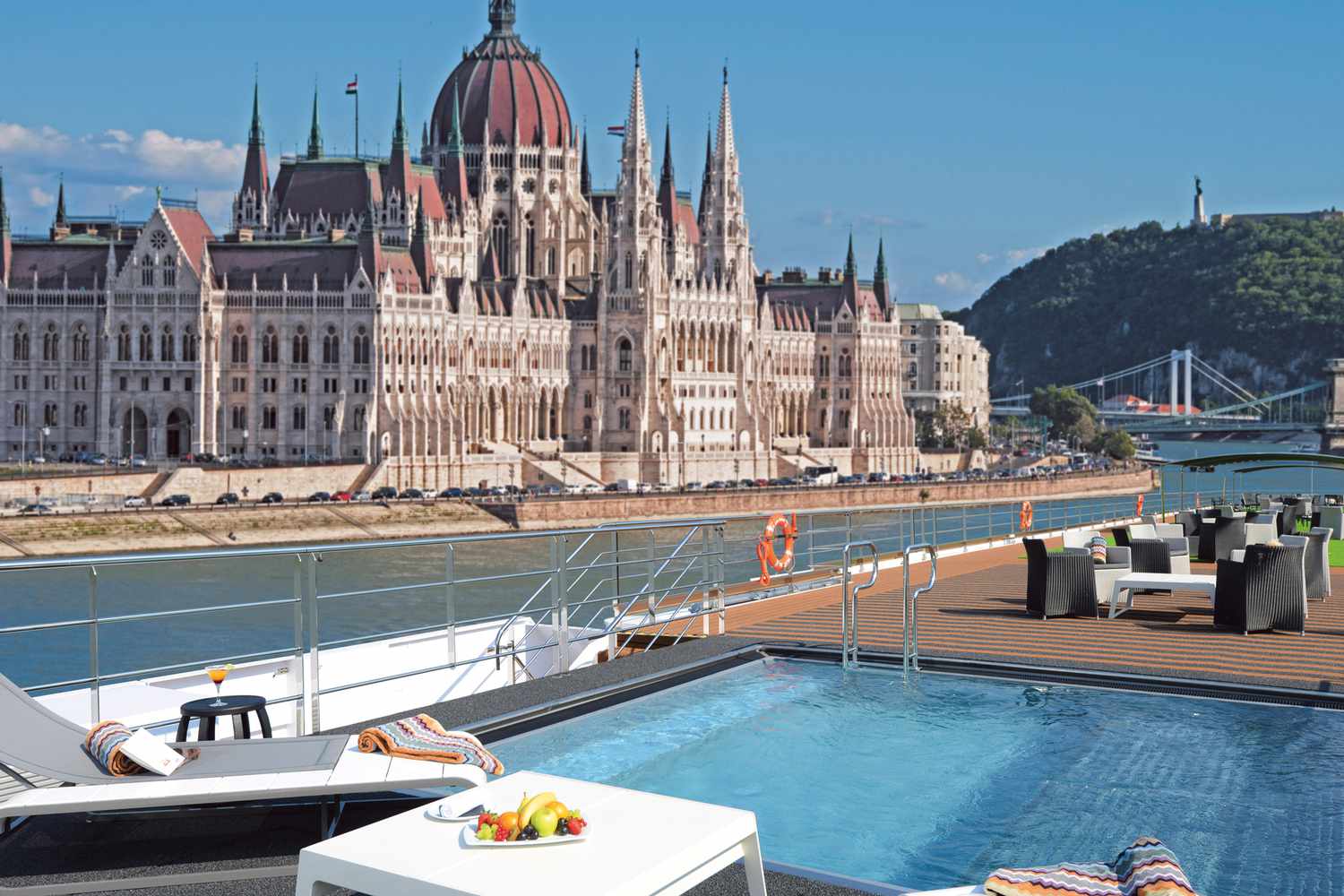
The Danube operates under a lock system that raises and lowers vessels up to 34 meters at certain passages, a mechanical ballet passengers witness from open decks. Unlike ocean cruising, river itineraries dock in city centers rather than remote terminals. Vienna, Budapest, and Bratislava moorings place you within walking distance of historic quarters, eliminating transfer buses and port congestion. Cabin selection matters more on rivers than seas. Lower-deck staterooms sit closer to the waterline, offering intimate views of passing villages and vineyards but limited natural light when navigating under bridges. Upper-deck cabins provide panoramic windows yet cost more and sit farther from dining rooms and gangways. Mid-ship placement on either level minimizes engine vibration and reduces motion during lock transitions. Verify whether your cabin features a French balcony or a step-out balcony; the former is a floor-to-ceiling window that opens inward, the latter provides exterior standing space. Packing for a Danube river cruise guide requires accounting for microclimates. The upper Danube near Passau and Linz retains alpine chill into May, while the lower stretch approaching the Black Sea warms earlier and holds heat longer. Layering proves essential: mornings on deck demand fleece or windbreakers, afternoons in cobblestone squares call for breathable fabrics, and onboard dinners trend smart-casual with optional formal nights. Comfortable walking shoes with ankle support are non-negotiable; excursions average 8,000 to 12,000 steps daily across uneven medieval streets and hilltop fortresses. Onboard etiquette follows European norms. Meals are communal seating unless you book a premium package, fostering conversation with fellow travelers from a dozen nationalities. Gratuities are typically pooled and distributed among crew, with recommended amounts disclosed at booking. Wi-Fi remains functional but slower than terrestrial broadband, reflecting the challenge of maintaining satellite connectivity through narrow gorges like the Wachau Valley. Shore excursions operate on strict schedules; river cruises cannot delay departure for late returnees, as lock passage windows are fixed by regional authorities managing commercial barge traffic.
“Unlike ocean cruising, river itineraries dock in city centers rather than remote terminals, placing you within walking distance of historic quarters.”
Optimal Timing for Danube River Cruise Tips
The most effective time to experience the Danube is between 09:00 and 18:00, which provides optimal daylight for sightseeing and lower congestion on river embankments. Planning your visit within this window ensures clearer views and a more manageable pace for your river transit.
Spring (April-May)
Moderate crowdsMild, 12°C to 20°C
Spring offers blooming landscapes and stable water levels for navigation.
Summer (June-August)
High tourist volumeWarm, 20°C to 30°C
Expect longer daylight hours and busier docks throughout the summer months.
Autumn (September-October)
Lower passenger densityCool, 10°C to 18°C
This season provides comfortable temperatures and pleasant light for photography along the river.
Weekday mornings
Minimal congestion—
Visiting during weekday mornings between 09:00 and 12:00 avoids the peak afternoon crowds.
Verdict: The optimal window for a cruise is during the shoulder months of April, May, September, or October, specifically targeting a weekday arrival between 09:00 and 12:00.
Planning Your Danube River Cruise Tips Itinerary
Most Danube cruises operate as multi-day journeys between Vienna, Bratislava, Budapest, and beyond, though shorter day-trip sailings departing Vienna are widely available. This plan outlines a typical embarkation day for a multi-night cruise, designed for passengers arriving mid-morning.
Arrive at embarkation pier
Locate your departure terminal along the Danube Canal or main river quays; most operators assign piers in Handelskai or near Schwedenplatz. Check-in opens 2–3 hours before departure, allowing time for passport control and cabin assignment.
Board and settle cabin
Complete embarkation formalities, receive your cabin key, and unpack essentials before the welcome briefing. Larger ships may require 20–30 minutes to navigate from your assigned deck to dining or lounge areas.
Attend safety briefing and lunch
Mandatory muster drills precede the first onboard meal; most ships serve buffet lunch as the vessel departs Vienna's waterfront. Use this window to familiarize yourself with deck layouts and photo vantage points.
Afternoon cruising or first port
Depending on your itinerary, the ship either sails toward Melk or Dürnstein, or remains moored for an afternoon excursion in Vienna's outer districts. Onboard lectures or language classes typically begin after 15:00.
Dinner and evening program
Multi-course dinners are served in the main restaurant; evening entertainment ranges from classical recitals to regional folk performances. Review the next day's shore excursion schedule distributed at your table.
Getting to Embarkation Points: Danube River Cruise Tips
The Danube River spans Central and Eastern Europe, with primary embarkation points in major hubs like Vienna accessible via integrated public transit networks. Travelers typically arrive at central rail stations or city-center piers via metro and tram lines.
Railjet to Wien Hauptbahnhof
U-Bahn line U1 to Schwedenplatz
Airport Bus to Morzinplatz/Schwedenplatz
Direct transfer to Danube pier
Practical Danube River Cruise Tips for Passengers
Maximize your river transit experience by focusing on practical preparation and equipment tailored to the unique conditions of the Danube.
Layered clothing strategy
Pack a wind-resistant outer layer and lightweight sweaters, as temperatures on the river deck often drop significantly compared to inland air. Modular clothing allows you to adapt quickly to changing conditions during transit.
Footwear for deck stability
Choose shoes with non-slip rubber soles for walking on metal decks that can become slick with dew or moisture. Flat, closed-toe options are safer for navigating narrow companionways and staircases.
Binocular selection
Bring compact, high-quality binoculars to observe riverbank architecture and wildlife without relying on the ship's stationary viewing equipment. 8x magnification provides a steady, clear image from a moving vessel.
Power adapter configuration
European river ships often have limited outlet types, so carry a universal adapter with multiple USB ports to charge cameras and devices simultaneously. Cabin power supply may be restricted, making a portable power bank essential for long days.
Shore excursion bag
Carry a lightweight, water-resistant crossbody bag for shore excursions to keep hands free for handrails and photography. Include a printed copy of the ship's contact information and the local port authority emergency details.
Hydration and health
River air can be surprisingly drying; keep a reusable water bottle filled to maintain hydration between scheduled meal services. Pack a small supply of motion sickness remedies, as even calm rivers can produce a subtle, rhythmic motion that affects sensitive passengers.
Danube River Cruise Tips: Mistakes to Avoid
River cruises operate year-round, but certain oversights can disrupt your journey. Most issues stem from inadequate preparation for weather conditions and cabin constraints.
Ignoring low-water alerts that cancel or reroute sailings
Check operator notifications 48 hours before departure. Drought conditions between July and October frequently force itinerary changes, and rebooking options narrow quickly.
Overpacking for compact cabin storage
Limit luggage to one medium suitcase per person. Cabins average 15–18 m², with minimal wardrobe space and no room for oversized bags.
Assuming all shore excursions run regardless of conditions
River levels and fog can prevent docking at scheduled ports. Operators substitute bus transfers or skip stops entirely, so build flexibility into any pre-booked ground arrangements.
Booking without verifying lock-passage schedules
High-traffic locks between Passau and Vienna add 2–4 hours to sailing time during peak season. Confirm your itinerary accounts for these delays if connecting to flights or trains.
Neglecting layered clothing for deck viewing
Temperatures drop 8–12°C on open decks during evening sailings, even in summer. Pack a windproof jacket and closed-toe shoes for safe movement on wet surfaces.
Check availability
Frequently asked questions about danube river cruise tips
Everything you need to know about danube river cruise tips