

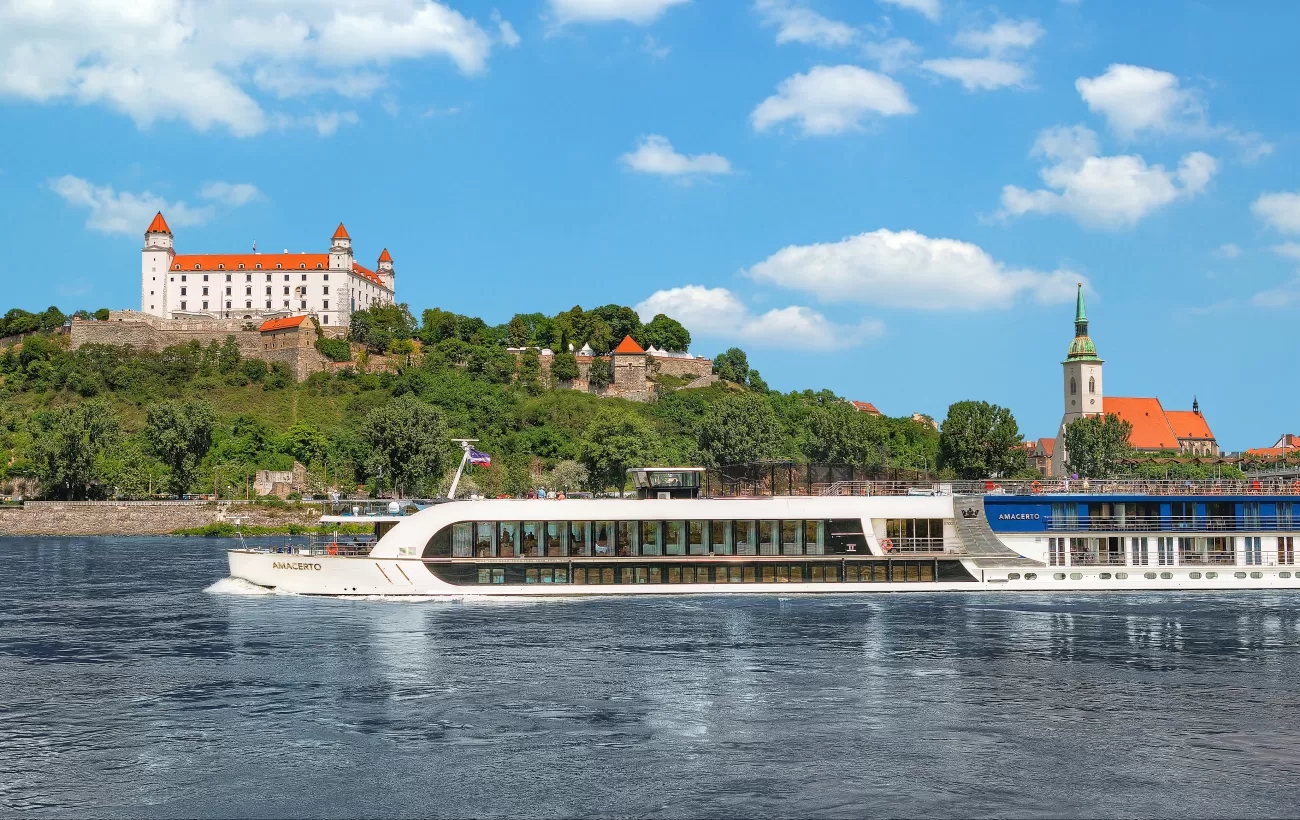
Quick answer
Danube river cruises maintain high safety standards, with vessels certified under EU regulations and captained by licensed river pilots familiar with the waterway's seasonal conditions. Ships carry life jackets for all passengers, maintain emergency protocols, and employ onboard medical staff on most multi-day itineraries. The river's controlled depth, absence of ocean-scale weather, and well-charted navigation channels create a lower-risk environment than open-sea cruising, though passengers should verify their operator holds current safety certifications and insurance.
The Danube carries more commercial and passenger traffic than any river in Europe, a volume sustained by decades of international safety agreements and infrastructure investment. Every cruise vessel operating between Passau and the Black Sea must pass biennial inspections covering hull integrity, fire suppression systems, and crew emergency training. These certifications are not optional courtesies but legal requirements enforced by port authorities in Germany, Austria, Slovakia, Hungary, Croatia, Serbia, Bulgaria, and Romania. River cruise safety begins with the waterway itself. The Danube flows through locks and regulated channels maintained by national authorities, with depth markers, current advisories, and restricted zones clearly charted. Captains receive real-time updates on water levels, weather patterns, and construction activity. Unlike ocean liners that face open-water unpredictability, river vessels navigate a controlled corridor where the primary variables are seasonal flow rates and occasional fog. Ships reduce speed or delay departure when conditions warrant, a flexibility built into schedules. Onboard protocols layer additional protection. Modern vessels feature stabilization systems that minimize motion, non-slip deck surfaces, handrails in all passageways, and cabins positioned above the waterline. Medical staff or trained first responders travel on vessels carrying more than fifty passengers, with satellite communication for emergency coordination. Crew-to-passenger ratios typically exceed ocean cruise standards, allowing faster response to incidents. Fire detection systems, sprinklers, and compartmentalized design meet standards developed after comprehensive safety reviews in the early 2000s. Passenger risk on Danube cruises stems less from navigation hazards than from individual health events and mobility challenges. Ships accommodate travelers of varying fitness levels, but gangways, cobblestone port towns, and excursion sites require steady footing. Travel insurance covering medical evacuation is standard advice, as river itineraries often position passengers far from major hospitals. Operators provide safety briefings within hours of embarkation, covering muster stations, life jacket locations, and procedures for man-overboard situations—events that remain statistically rare but require practiced response. The question of Danube cruise safety ultimately separates operational risk from perceived risk. Structural accidents, collisions, and weather-related incidents occur at rates well below those of road travel in the same region. Choosing operators with transparent safety records, verified certifications, and comprehensive insurance gives travelers the clearest picture of what protection exists when a vessel leaves the dock.
“Ships reduce speed or delay departure when conditions warrant, a flexibility built into schedules.”
Are Danube River Cruises Safe? Addressing Common Misconceptions
Concerns regarding river travel often stem from misconceptions about maritime stability and emergency protocols. Understanding the reality of modern river cruising helps clarify the safety standards maintained across the Danube.
MythRiver cruises are prone to tipping over during high water levels.
FactModern cruise vessels utilize specialized hull designs and ballast systems to maintain stability even during fluctuating river conditions.
MythCruises lack professional medical facilities for emergencies.
FactMost operators maintain direct communication lines with local emergency services and carry automated external defibrillators and basic first aid equipment on board.
MythThe Danube is too shallow for safe navigation.
FactRiver operators use sophisticated sonar technology and real-time river depth data to ensure vessels remain within safe operational channels at all times.
When Are Danube River Cruises Safe to Book?
The safest window for Danube River cruises is during the shoulder seasons of May, June, September, and October. These months typically offer the most stable water levels, minimizing risks associated with seasonal drought or flooding.
Spring (May–June)
ModerateMild, 15°C to 22°C; stable water levels. Operations are generally consistent as winter ice has melted and summer heat waves have not yet peaked.
Autumn (Sept–Oct)
ModerateCool, 10°C to 18°C; predictable river flow. This period often avoids the high-water risks sometimes seen in early spring and the low-water issues of late summer.
Weekday mornings
Low—; optimal daylight for visibility. Arriving between 09:00 and 18:00 ensures you navigate the river during hours when operators prioritize clear visibility and standard safety protocols.
Verdict: For the most reliable experience, book your cruise for May or September, aiming for weekday morning departures between 09:00 and 18:00 to ensure optimal navigation conditions.
Safety Protocols and Rules: Are Danube River Cruises Safe for You?
Danube cruises operate under maritime safety protocols that require passenger cooperation. Following crew directives and observing onboard conduct rules ensures a secure voyage for everyone.
Do
- Follow crew instructions during boarding and emergency drills immediately
- Wear provided life vests when moving on exterior decks in rough conditions
- Use handrails when navigating gangways and stairwells between deck levels
- Store luggage securely to prevent tripping hazards in narrow cabin corridors
- Report any safety concerns or medical issues to crew without delay
- Remain seated during lock passages when the vessel is adjusting elevation
Don't
- Ignore muster station assignments or skip mandatory safety briefings at embarkation
- Lean over railings or sit on exterior barriers while underway
- Block emergency exits or lifeboat access with personal belongings during the voyage
- Consume alcohol excessively before navigating steep gangways at port stops
- Disembark until the crew confirms the gangway is secured and cleared
- Attempt to operate safety equipment without crew authorization or supervision
Preparation Tips: Are Danube River Cruises Safe if You Are Prepared?
A smooth and secure cruise begins with documentation, health checks, and the right personal items.
-
Check passport validity and visa requirements — Many Danube cruises cross multiple Schengen and non-Schengen borders.
-
Confirm travel insurance covers river navigation — Standard policies may exclude waterborne incidents or medical evacuation from vessels.
-
Pack layered clothing and weatherproof outer shell — Deck temperatures drop quickly after sunset, even in summer months.
-
Bring prescribed medications in original containers — Onboard medical facilities are limited and restocking mid-voyage is difficult.
-
Carry a portable charger and adapter set — Cabin outlets vary by ship age and registry, and shore excursions drain batteries fast.
-
Download offline maps for embarkation cities — Mobile data roaming can be patchy along rural stretches of the river.
-
Verify mobility assistance availability if needed — Gangways and older docks may lack ramps or elevators.
Check availability
Frequently asked questions about are danube river cruises safe
Everything you need to know about are danube river cruises safe